TECHNIKAL / ALUMINIUM GUIDE
Start with everyday use: opening frequency, available space and required dimensions. Casement and tilt-and-turn windows support ventilation and routine operation. Sliding systems serve generous openings without a leaf swinging into the room. Folding systems can create a wide clear passage but bring their own hardware and threshold requirements.
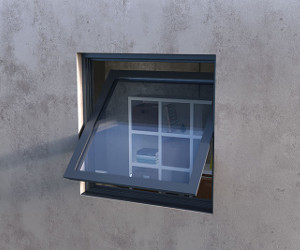
Compare performance for the same opening type, dimensions and glazing. A product range does not give every configuration an identical performance.
Allow a clear swing area for casements. Tilt operation can provide controlled ventilation but does not replace a ventilation strategy. Fixed glazing provides views and daylight without opening; safe cleaning access must be planned.
Lift-and-slide hardware raises the leaf before travel. Pocket systems need coordination with wall construction. Corner configurations need specific assessment. Folding leaves require space to stack. Maximum sizes depend on the selected system, hardware, glazing and loads, not a universal width limit.
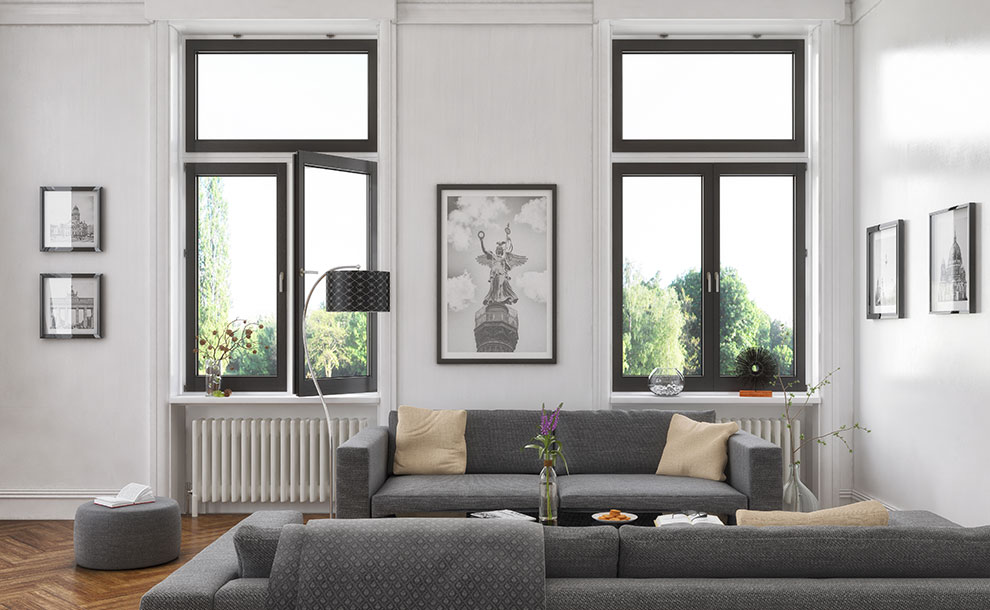
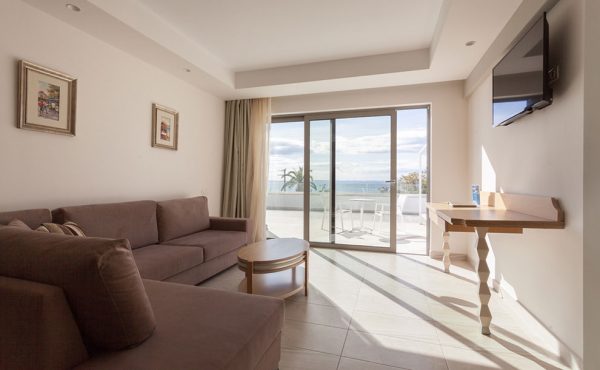
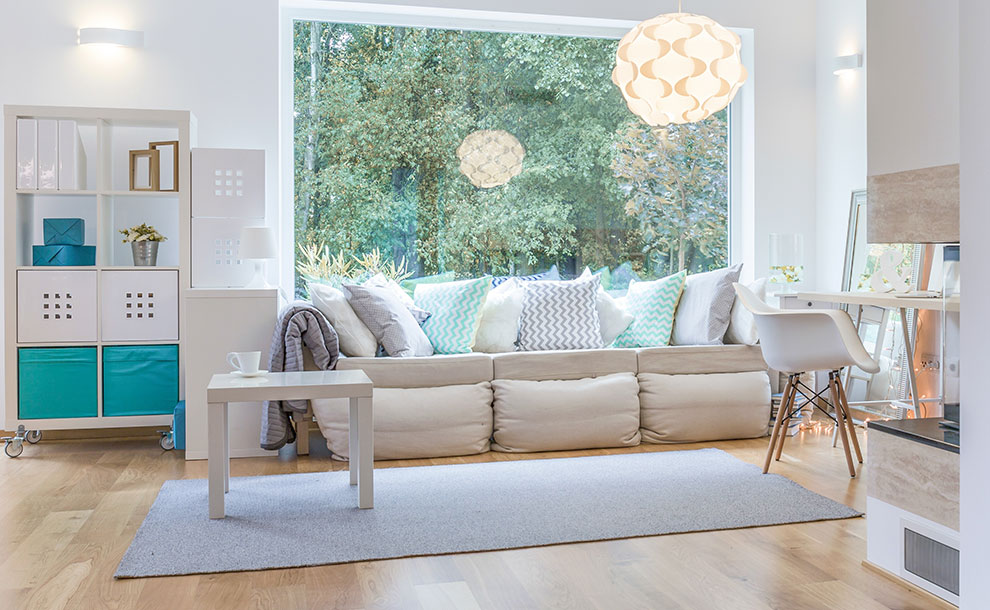
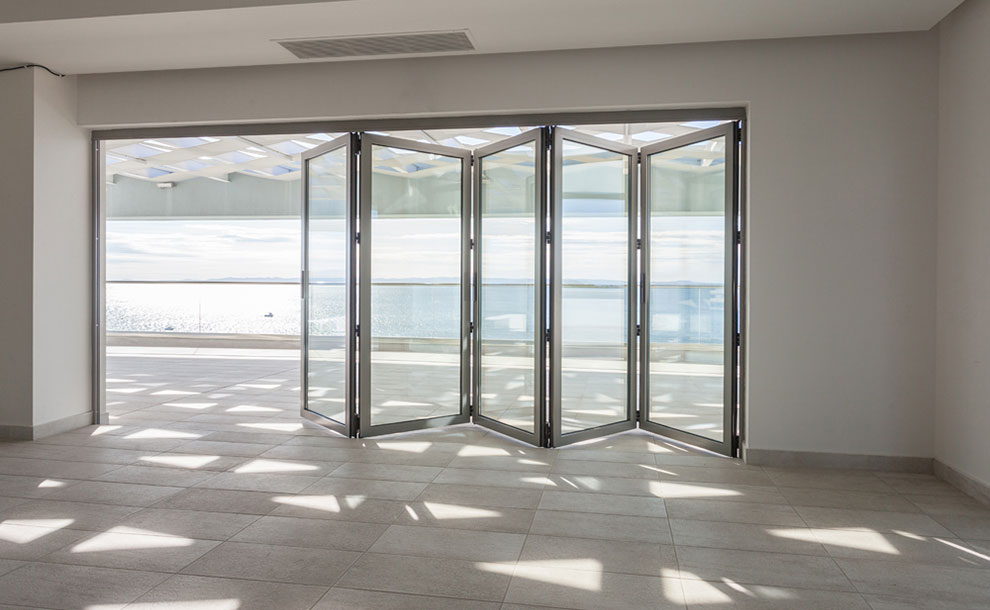
Typology illustrations: ALUMIL. Final configurations depend on the selected system.