The choice of the type of window frame includes many different parameters and should be done with special care. There are opening, sliding, retractable, rotating frames, as well as bellows (folding doors). The main factors that should be taken into account are the width of the openings in which the frame is to be placed, the available interior space (narrow space, presence of furniture, etc.) and the required performance of the frames in terms of tightness, thermal insulation, sound insulation as well as security.

Types of frames

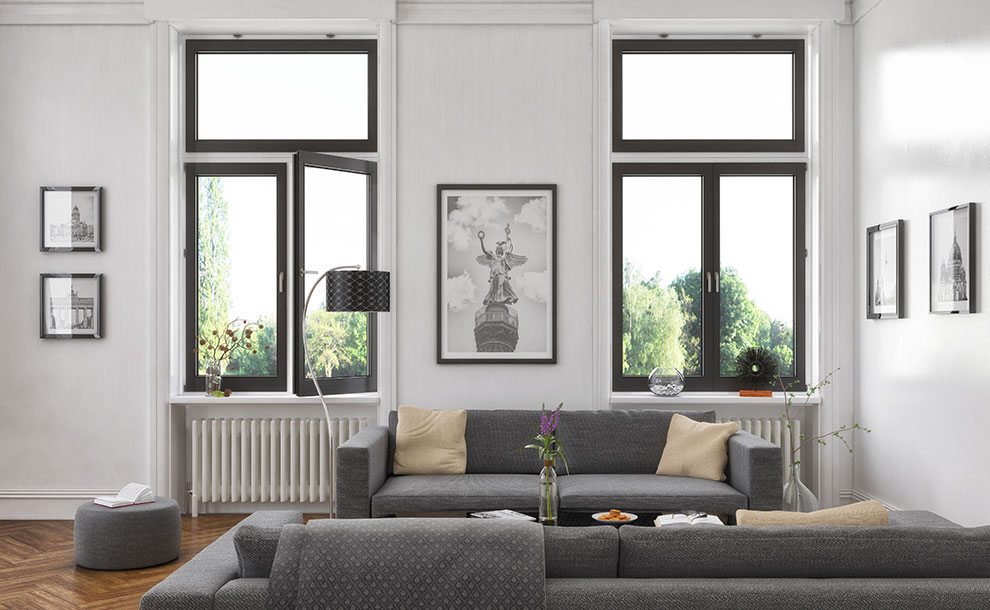
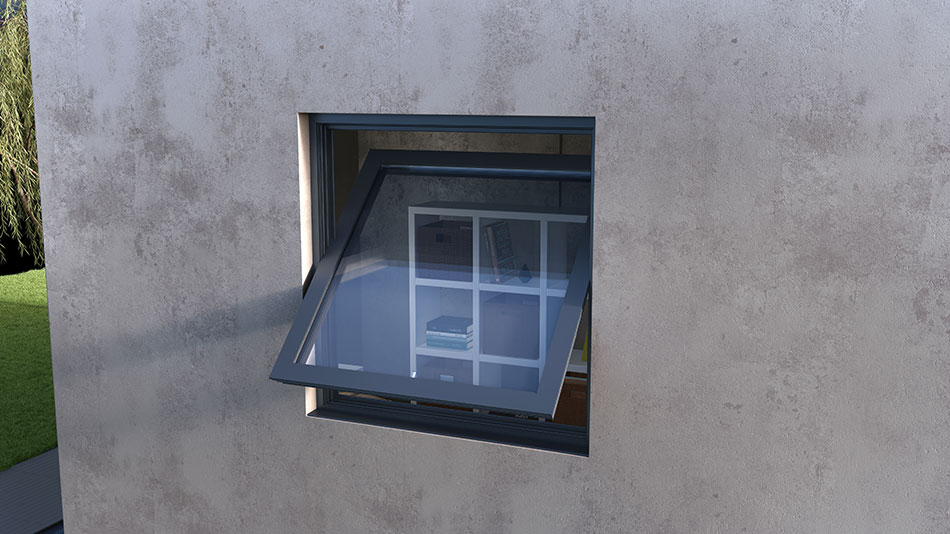
Opening frames
Opening frames offer very good levels of thermal insulation, sound insulation and air and water tightness as well as greater security. In addition, opening frames are available in many types and designs and accept screens and shutters or roller blinds on the outside. However, they have the disadvantage that they cannot cover large openings, i.e. with a width of more than 2.00 m, even in the case of a double-leaf balcony door. Also, the required space should always be available internally, so that the window or balcony door can be opened without obstacles. There are simple and thermally insulated series. TechnikAL has a variety of solutions for opening windows and balcony doors:
- Internal shutter (opening inwards)
- External shutter (opening outwards)
- Tilting shutter (opening upwards)
- Projected (opening downwards and outwards)
- Single-leaf, double-leaf, triple-leaf, etc.
- Sliding - opening combination (Volkswagen mechanism)
Rotating frames
Pivot windows and balcony doors are the right choice for homeowners who want to achieve maximum ventilation in a room. The window can be rotated inwards either on a horizontal or vertical axis, depending on the position of the rotation mechanisms. It is a unique option and is suitable for large spaces and openings, as it can support heavy loads.
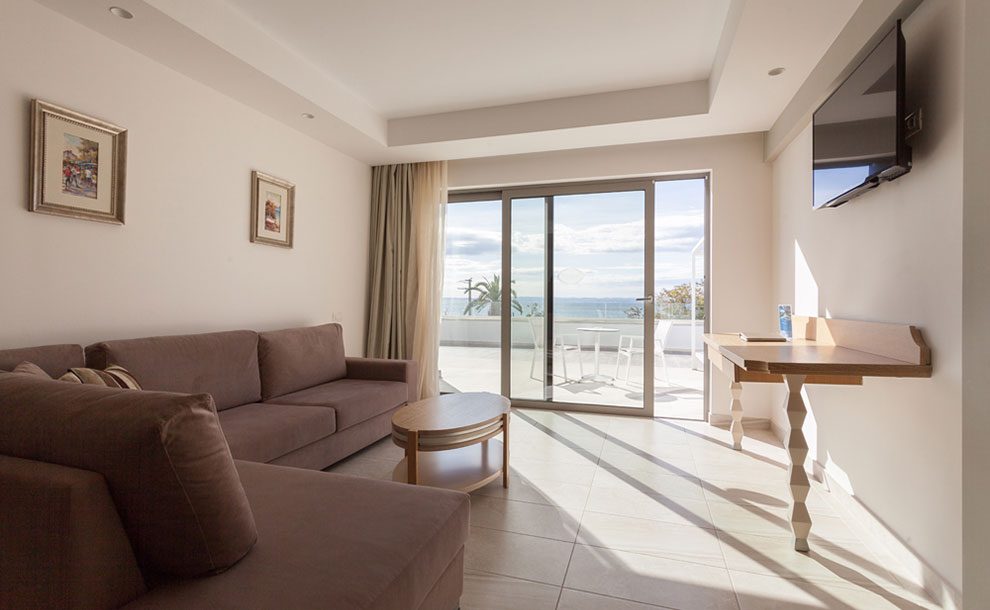
Sliding frames
Space saving is the main advantage offered by sliding frames. Thus, they are mostly used in mass constructions - apartment buildings - where space saving is essential. A sliding frame is a very good choice in case you need to cover openings larger than 1.70 m wide. Furthermore, in case the space around the window is limited, the sliding frame is the ideal choice. For large openings, you can alternatively choose a technologically superior retractable frame, which opens much easier and provides higher tightness, thanks to the special lifting mechanism, which lifts the sash, resulting in the rollers rolling much more easily on the frame guide.
Modern sliding window frames have evolved greatly, providing reliable solutions with excellent functionality.
TechnikAL manufactures various types of sliding or retractable systems for frames:
Modern sliding window frames have evolved greatly, providing reliable solutions with excellent functionality.
TechnikAL manufactures various types of sliding or retractable systems for frames:
- Stacked – In which more than one sheet follows each other, on a separate scroll guide.
- Filets – In which two sheets are located on the same rolling guide and the locking occurs at the point where they join.
- Recessed – Usually, one or two leaves that, when the window or balcony door is opened, enter (recessed) into the wall.
- Angular – Constructions in which two panels form a right angle (90°) with each other and lock together at the point where they join.
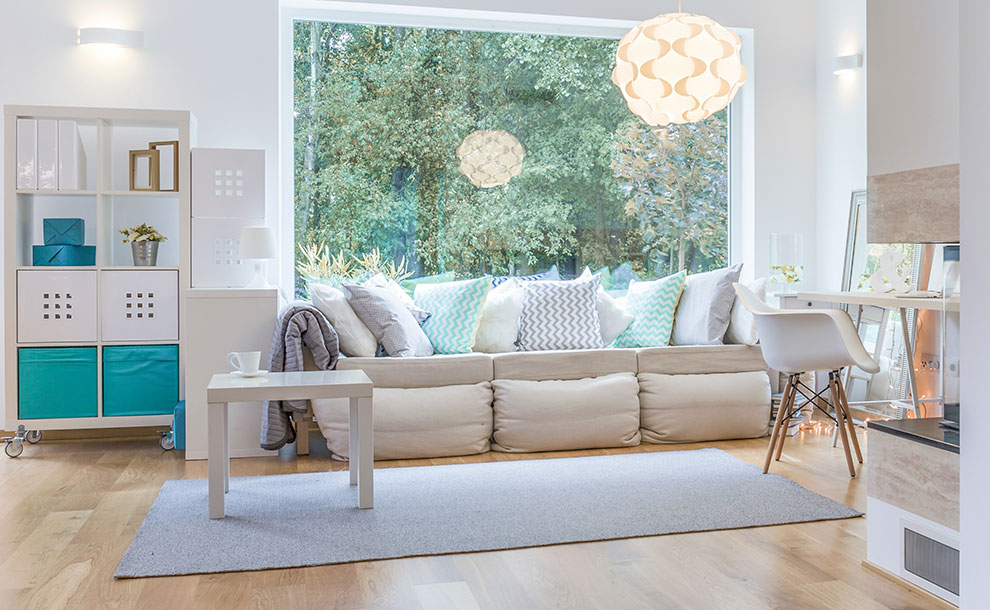
Fixed frames
Fixed windows are fixed to the wall without any closing or opening function. In general, they are designed to let light into the building. In addition, fixed windows are installed in cases where building users want to feel more immediacy with the outside environment and want their sense of freedom to increase.
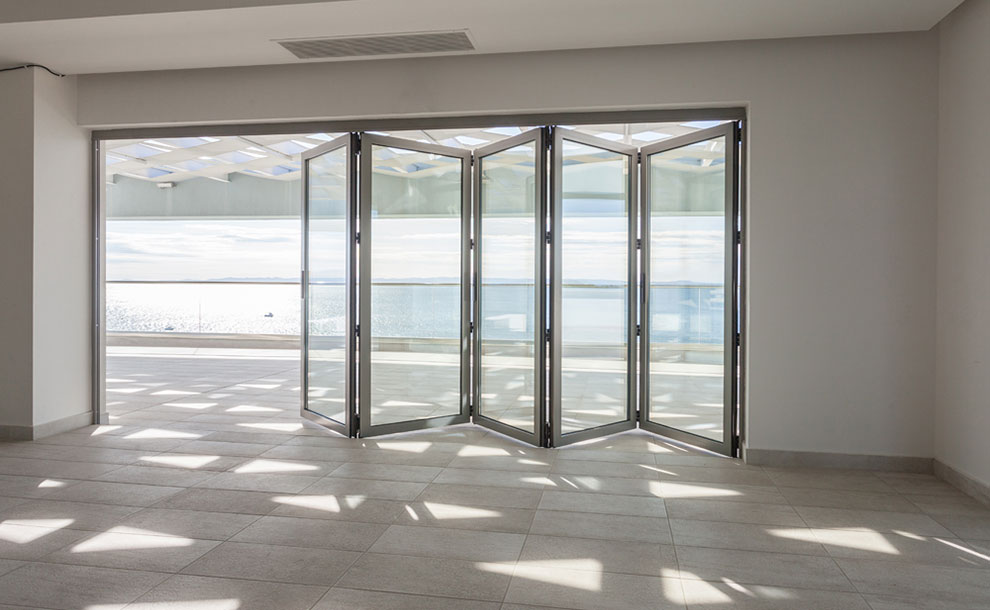
Bellows
In case you have very large openings and wish to have unobstructed access to the outside space, there is also the bellows solution, the main advantage of which is the complete or partial folding of the leaves to the side of the frame. This particular solution is usually preferred in professional spaces, such as restaurants or cafes, but also in spacious homes and offers great freedom of movement and ease of access.
In summary, the solutions offered are many and for this reason special attention should be paid to some details regarding each space. In general, to choose the right type of window frame, we should keep in mind the following points:
In summary, the solutions offered are many and for this reason special attention should be paid to some details regarding each space. In general, to choose the right type of window frame, we should keep in mind the following points:
- The opening we want to cover (length, width, height)
- The climatic conditions prevailing in the external environment
- The layout of the house and the furniture present in the space
- Ease of access to the frame, both for opening/closing and for cleaning inside/outside
- The level of security we wish to achieve
- The aesthetic we want to achieve
Finally, for your safety and better living, all frames can additionally accept screens, shutters and roller blinds. Our company has a very wide range of products, which ensures that you will find the solution that best meets your needs. Especially for roller blinds, TechnikAL has a wide range of thermally insulated roller blind boxes, which are in line with the needs of the new KENAK (Energy Performance of Buildings Regulation) and must now be selected so that your frames are compatible with the new thermal insulation regulations.
Design:
Window design has now evolved so much that it can truly radically change the look of your space.
The dominant modern trend is minimal design, the so-called «less is more.» Minimal design aims to maximize the visual field and consequently natural lighting, contributing to improving the quality of living.
The systems we manufacture are designed according to the latest design trends and include:
- Straight lines with as few visible joints as possible
- Ergonomic, high-quality handles in various colors
- Hidden hinges
- Hidden sheets to minimize visible aluminum
- Boxes hidden in the masonry
- Narrow hook/loop without unnecessary joints, giving more space to the glass
- Low threshold for easy access for the elderly, children and people with disabilities according to European standards.
Thermal insulation level of frames:
The type of frame affects the level of thermal insulation it can provide. Thus, as mentioned above, opening frames usually offer higher thermal insulation compared to sliding ones, as their design allows for higher tightness, thanks to the perimeter insulating rubbers around the leaf and the frame. For the same reason, namely the level of tightness, a double-leaf sliding frame in which one leaf is sliding and the other fixed, offers greater thermal insulation than a corresponding one in which both leaves are moving.
However, to be sure that the frame we choose has a high level of thermal insulation, we should examine two basic indicators: the Uf and Uw of the frame.
Uf is the indicator that indicates the level of thermal insulation of the frame without the glass, that is, it clearly measures the thermal loss of the frame and the sash. Through Uf, we can directly compare two different frames and draw useful conclusions about the level of thermal insulation they offer. You should also always ask for the Uf certifications of the system company, because only in this way can you be sure that the product has been objectively tested by a third independent body. However, in order to reach a final decision, we must examine the Uw index, which measures the thermal losses of the window as a whole, including the glass that will be placed in the frame.
Taking into account the fact that the glass usually constitutes 70%-80% of the surface of a window frame, we understand that the Uw index plays a decisive role in the thermal insulation we will have.
For example, a simple aluminum frame without thermal insulation can have, with the application of an energy-efficient glass, a level of thermal insulation similar to another more expensive thermally insulating aluminum frame in which, however, no energy-efficient glass was installed. We should therefore pay attention to both indicators, but giving more emphasis to Uw which is essentially the final thermal insulation index of the window. It should be noted that in entrance doors the corresponding indicator is called Ud and measures the level of thermal insulation of the door in combination with the panel that has been applied.
In addition, the Ug index determines the thermal insulation of the glass. In essence, Uf combined with Ug form the final Uw (for windows/balcony doors) or Ud (for exterior doors).
It is important to remember that all of the above indicators measure heat loss, which is why they are also called thermal transmittance indicators. The lower the heat loss, the greater the thermal insulation offered by the frames in question. Therefore, the lower the Uf, Ug, Uw and Ud indicators, the better the energy performance of your frames. For example, a sliding frame with Uw =1.6 W/m2K will offer higher thermal insulation compared to a sliding frame with Uw =1.9 W/m2K. Finally, we emphasize that Uw and Ud should always be calculated and compared for specific frame dimensions.